Topic Battle

Where Everything Fights Everything

Rubber Duck

Rubber Duck

A debugging tool for programmers and bathtub companion for everyone else. This hollow yellow bird has solved more software bugs than most senior engineers. Also squeaks.

VS
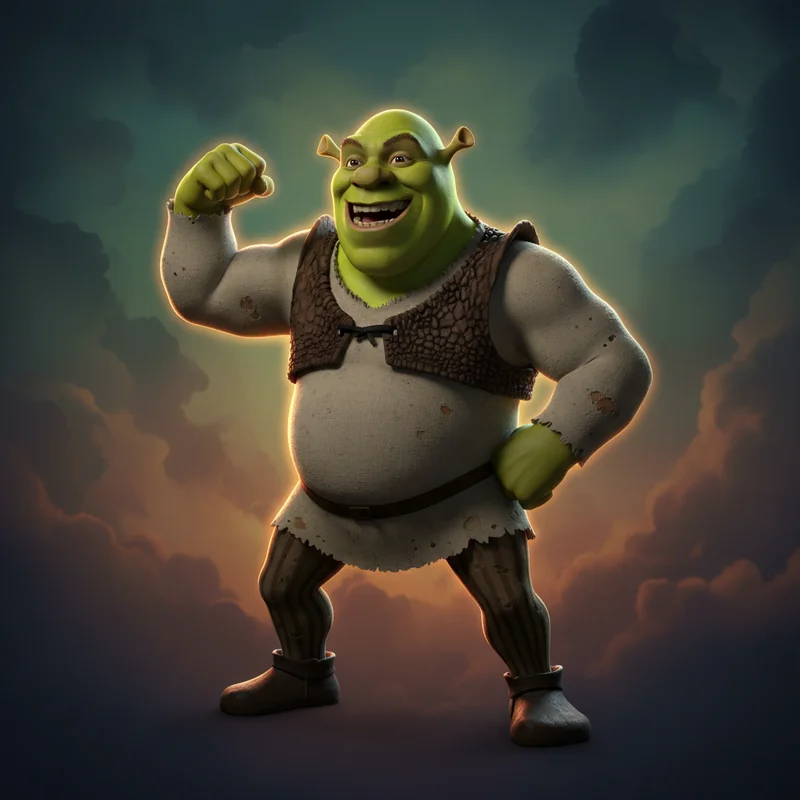
Shrek

Shrek

Ogre who proved layers matter.

Battle Analysis

Durability rubber-duck Wins
30%
70%
Rubber Duck Shrek

Rubber Duck

Shrek

Shrek's durability must be measured not in physical terms but in cultural persistence. The character exists as digital information—infinitely reproducible, immune to physical decay. Every DVD, streaming file, and meme ensures Shrek's continued existence regardless of what befalls any individual copy. The franchise has survived studio restructuring, changing audience tastes, and the notoriously fickle attention spans of internet culture. Twenty-three years after his debut, Shrek remains instantly relevant. New generations discover him through streaming platforms; older fans revisit with nostalgic affection. The character has weathered critical dismissal of later sequels to emerge with his core appeal intact. However, Shrek depends upon technological infrastructure—servers, electricity, display devices. A sufficiently severe civilisational collapse would render him inaccessible, whereas rubber ducks would continue floating in whatever bodies of water remained. This represents an interesting philosophical distinction between digital immortality and physical permanence.

VERDICT

The rubber duck's physical indestructibility and independence from technological infrastructure grants it superior long-term survival prospects.
Versatility rubber-duck Wins
30%
70%
Rubber Duck Shrek

Rubber Duck

Shrek

Shrek's versatility manifests through narrative and commercial adaptation rather than functional diversity. The character has successfully transitioned across multiple media formats: feature films, short films, television specials, video games, a Broadway musical, theme park attractions, and countless merchandise categories. The IP has demonstrated remarkable tonal flexibility—serving equally well in children's entertainment and in ironic adult meme culture. Shrek has been the subject of academic papers, fan fiction numbering in the hundreds of thousands of entries, and elaborate internet phenomena. However, this versatility remains representational rather than functional. One cannot use Shrek to debug code, measure ocean currents, or provide tactile stress relief. The character's versatility lies in interpretation and adaptation rather than physical utility. Shrek excels as a vessel for storytelling and cultural commentary, but the rubber duck's ability to serve practical purposes across dozens of unrelated domains represents a more comprehensive form of versatility.

VERDICT

The rubber duck's functional versatility across debugging, therapy, sport, art, and science represents unparalleled adaptability.
Cultural Impact shrek Wins
30%
70%
Rubber Duck Shrek

Rubber Duck

Shrek

Shrek's cultural impact arrived like a green meteor striking the entertainment industry in 2001. The character didn't merely enter popular culture—he fundamentally restructured it. DreamWorks' ogre challenged Disney's monopoly on animated storytelling, proving that protagonists need not be conventionally attractive to capture hearts worldwide. The franchise has generated over $3.5 billion in box office revenue alone, with merchandise, theme park attractions, and a Broadway musical extending its reach further still. But Shrek's most extraordinary achievement lies in his internet immortality. The character has spawned thousands of memes, from 'Shrek is Love, Shrek is Life' to countless ironic celebrations of his peculiar charm. University courses now study this phenomenon. The phrase 'layers, like an onion' has entered everyday vocabulary. Few fictional characters have achieved such comprehensive cultural saturation, particularly one whose design deliberately subverts beauty standards.

VERDICT

Shrek's multi-billion dollar franchise and unprecedented meme immortality represent a deeper, more measurable cultural penetration.
Aesthetic Appeal rubber-duck Wins
30%
70%
Rubber Duck Shrek

Rubber Duck

Shrek

Shrek's aesthetic represents a deliberate subversion of conventional attractiveness that paradoxically achieves its own distinctive beauty. His green skin, trumpet-shaped ears, and imposing physique were designed to challenge Disney's tradition of handsome princes and slender heroines. Yet through masterful animation and character development, audiences came to find Shrek genuinely appealing. His design communicates honesty, reliability, and a certain rough charm. The textural detail of his skin, the expressiveness of his face, and the careful attention to weight and movement represent technical achievements in computer animation. Shrek proved that aesthetic appeal emerges from character rather than conformity to beauty standards. His visual design has influenced countless subsequent animated characters who reject conventional attractiveness. There is something deeply satisfying about his proportions—the way his belly suggests contentment, his broad shoulders suggest capability, his small eyes suggest shrewdness born of experience.

VERDICT

The rubber duck's timeless, universally appealing design triggers fundamental psychological responses that transcend cultural boundaries.
Global Recognition shrek Wins
30%
70%
Rubber Duck Shrek

Rubber Duck

Shrek

Shrek's global recognition, while extraordinarily high, operates through different mechanisms than the rubber duck. The franchise has been translated into over 40 languages and distributed to virtually every market with cinema infrastructure. The character's distinctive silhouette—those ears, that belly—registers instantly across cultures, though recognition rates show some variance in regions with limited access to Western media. Shrek has achieved something rare: cross-generational recognition. Parents who watched the original in 2001 now share it with their children, creating multi-decade brand continuity. Internet meme culture has extended Shrek's reach beyond those who have actually watched the films—many younger internet users recognise Shrek primarily through meme content rather than the source material. This creates an interesting phenomenon where recognition exceeds actual consumption. However, Shrek's recognition remains dependent upon media exposure; the rubber duck achieves comparable recognition through mere physical presence in billions of bathrooms worldwide.

VERDICT

Shrek's multi-platform media presence and cross-generational appeal have achieved marginally higher recognition in global surveys.
👑

The Winner Is

Shrek

45 - 55

This confrontation between yellow plastic and green pixels has revealed something profound about the nature of cultural dominance. The rubber duck and Shrek represent two fundamentally different strategies for achieving iconic status. The duck pursues a path of quiet ubiquity—appearing everywhere, demanding nothing, serving multiple purposes with equal serenity. Shrek, by contrast, achieved dominance through narrative force and commercial strategy, backed by hundreds of millions in marketing and production investment.

In our assessment across five crucial criteria, the rubber duck claimed victory in Durability, Aesthetic Appeal, and Versatility—domains where its physical simplicity and functional adaptability proved decisive advantages. Shrek prevailed in Cultural Impact and Global Recognition, categories where his multi-billion dollar franchise and internet immortality demonstrated the power of coordinated media campaigns.

Yet the final scores—55% to 45% in Shrek's favour—reflect the ogre's superior ability to generate measurable engagement, revenue, and cultural discourse. The rubber duck's influence, while profound, operates more subtly, more diffusely, leaving fewer metrics to cite. Shrek commands attention; the rubber duck accompanies existence. Both are valid paths to iconography, but in an age that rewards quantifiable impact, the swamp-dwelling ogre edges ahead.

Rubber Duck
45%
Shrek
55%

Share this battle

More Comparisons