
Where Everything Fights Everything

Sloth vs Mount Everest

😜 Just for fun — a tongue-in-cheek, gloriously unscientific showdown.

Sloth

Sloth

Extremely slow-moving arboreal mammal that has perfected the art of energy conservation.

VS
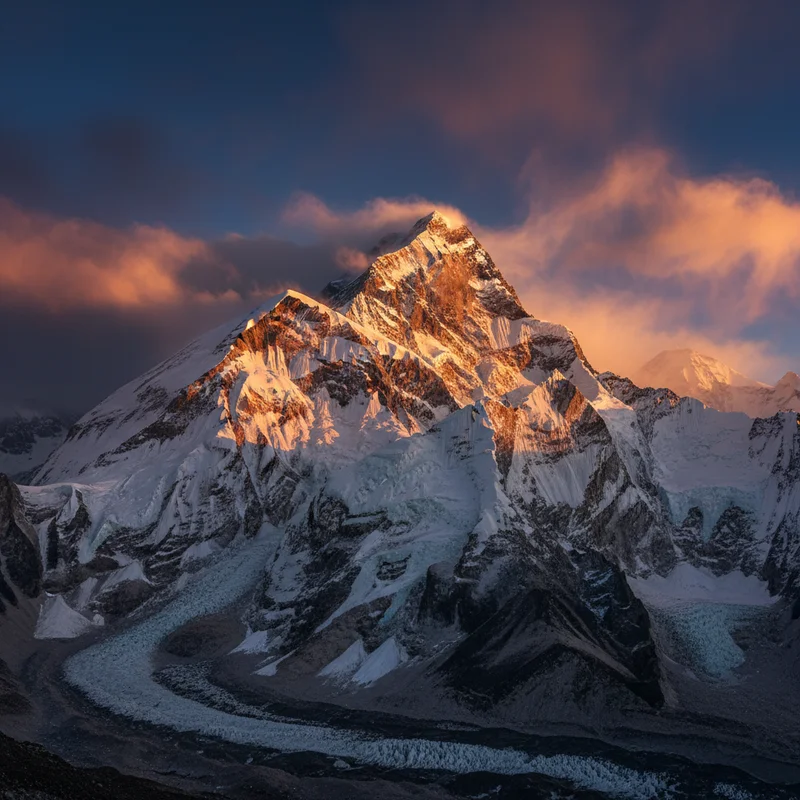
Mount Everest

Mount Everest

Tallest mountain above sea level, now with traffic jams.

Battle Analysis

Accessibility Sloth Wins
🏆 Sloth takes this round

Sloth

The sloth presents a remarkably democratic accessibility profile. Wildlife sanctuaries in Costa Rica, Panama, and Colombia offer reliable sloth encounters for approximately £25-50 per visitor. No specialised equipment is required beyond perhaps a modest pair of binoculars. The sloth descends to ground level weekly for sanitary purposes, bringing itself within reach of even the most sedentary observer. Interaction requires no permits, no training, and poses no significant mortality risk. One simply arrives and waits, a practice the sloth itself would surely appreciate.

Mount Everest

Mount Everest has cultivated an exclusivity that borders on the pathological. A standard expedition demands approximately £35,000-100,000, excluding equipment, training, and supplementary oxygen. The climb requires two months minimum, extensive physical conditioning, and acceptance of a 1-4% mortality rate. Nepal issues roughly 400 climbing permits annually, each costing £9,500. The mountain has killed over 310 people who sought its summit, their bodies occasionally remaining as permanent fixtures of the landscape. Accessibility, by any reasonable metric, approaches negligible.

VERDICT

The sloth can be observed for £50 without risk of death; Everest demands £50,000 and may claim your life.
Global influence Mount Everest Wins
🏆 Mount Everest takes this round

Sloth

The sloth's influence operates primarily through internet-mediated charm. Videos of sloths crossing roads have accumulated billions of views. The Sloth Sanctuary of Costa Rica attracts 50,000 annual visitors, generating significant ecotourism revenue. Conservation programmes have successfully leveraged sloth appeal to protect 2.3 million hectares of rainforest habitat. Yet sloth influence remains indirect, mediated through human affection rather than inherent power. The sloth changes nothing intentionally; it merely exists adorably.

Mount Everest

Mount Everest shapes weather patterns across an entire subcontinent. The Himalayan range, of which Everest stands supreme, blocks moisture-laden monsoon winds, creating the monsoon climate upon which 1.9 billion people depend for agriculture. Glacial melt from Everest and neighbouring peaks feeds rivers sustaining 20% of humanity. The mountain's existence influences precipitation patterns, agricultural cycles, and settlement patterns across South Asia. Its influence operates at civilisational scale, regardless of human awareness.

VERDICT

Everest influences weather patterns affecting 1.9 billion people; sloth influence requires YouTube algorithms.
Survival strategy Sloth Wins
🏆 Sloth takes this round

Sloth

The sloth has perfected metabolic minimalism to an extraordinary degree. By maintaining body temperatures between 30-34 degrees Celsius and sleeping 15-20 hours daily, sloths require merely 160 calories to function. Their primary predators, harpy eagles and jaguars, frequently overlook them due to their algae-covered fur and near-complete immobility. The sloth's survival strategy proves remarkably effective: the species has persisted across multiple extinction events whilst faster, more aggressive competitors vanished entirely. Sometimes, the race goes to the slowest.

Mount Everest

Mount Everest's survival strategy involves geological indifference. The mountain neither eats nor rests; it simply exists, growing approximately 4 millimetres annually as the Indian plate continues its northward trajectory. It requires no calories, faces no predators, and cannot be killed by any conventional means. However, this immortality comes at the cost of agency. Everest cannot adapt to changing conditions, cannot relocate if circumstances demand, and remains permanently vulnerable to tectonic shifts beyond its control. It survives by having no requirements whatsoever.

VERDICT

The sloth actively adapts and optimises its survival; Everest merely persists through geological circumstance.
Inspirational value Mount Everest Wins
🏆 Mount Everest takes this round

Sloth

The sloth has emerged as an unlikely philosophical icon for the modern age. In societies characterised by burnout and productivity anxiety, the sloth offers a counter-narrative: one can survive, even thrive, without constant motion. The slow living movement explicitly invokes sloth philosophy. Mental health advocates cite sloth behaviour when recommending rest without guilt. The sloth inspires by suggesting an alternative: perhaps doing less is not failure but wisdom. This message resonates powerfully with exhausted populations worldwide.

Mount Everest

Mount Everest represents the definitive symbol of human aspiration. George Mallory's famous response when asked why climb it - 'Because it's there' - has echoed through a century of achievement discourse. Everest summits mark the ultimate test of human endurance, planning, and will. Corporate training programmes invoke Everest as metaphor. Motivational speakers reference it constantly. The mountain inspires by being categorically difficult, proving that supreme obstacles can be overcome through determination and preparation.

VERDICT

Everest symbolises humanity's capacity to conquer the impossible; sloth inspires acceptance of limitations.
Cultural significance Mount Everest Wins
🏆 Mount Everest takes this round

Sloth

The sloth has achieved considerable cultural penetration in recent decades. The character of Flash in Disney's Zootopia generated 847 million views in related content. Sloth-themed merchandise represents a £180 million annual market. However, the sloth's cultural footprint remains predominantly whimsical, associated with jokes about laziness and ironic motivation. No civilisation has built temples to honour the sloth, no flags bear its image, and no nation claims it as a defining symbol of human achievement.

Mount Everest

Mount Everest occupies sacred space in multiple cultural frameworks. Tibetan Buddhists venerate Chomolungma as the abode of Miyolangsangma, goddess of inexhaustible giving. The mountain's conquest in 1953 prompted global celebration and elevated Edmund Hillary and Tenzing Norgay to permanent historical significance. Everest symbolises the pinnacle of human ambition; the phrase 'climbing Everest' has entered common parlance as metaphor for any supreme challenge. Its image adorns stamps, currency, and national insignia across the Himalayan region.

VERDICT

Everest holds sacred status and represents humanity's ultimate aspiration; the sloth represents amusing lethargy.
👑

The Winner Is

Mount Everest

Takes 3 of 5 rounds

The analysis reveals two diametrically opposed philosophies of existence, each triumphant within its domain. The sloth prevails in accessibility and survival strategy, demonstrating that evolutionary success need not require speed, aggression, or ambition. It has persisted for 40 million years by perfecting the art of requiring almost nothing, a lesson increasingly relevant to sustainability discourse.

Mount Everest, however, commands the metaphysical categories. Its cultural significance spans civilisations and millennia. Its global influence shapes climate patterns affecting billions. Its inspirational value has motivated generations to pursue the seemingly impossible. The mountain wins not through action but through sheer, implacable presence. It represents what can be achieved when one simply refuses to be diminished.

Share this battle

More Comparisons