Topic Battle

Where Everything Fights Everything

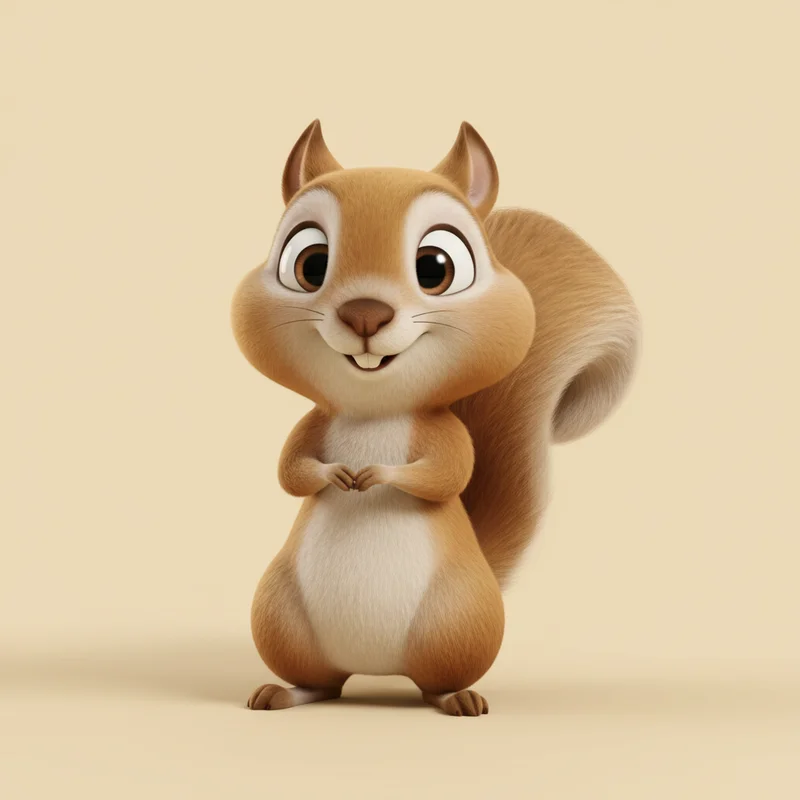
Squirrel

Squirrel

Acrobatic rodent obsessed with nut collection, featuring impressive jumping skills and bushy tail.

VS
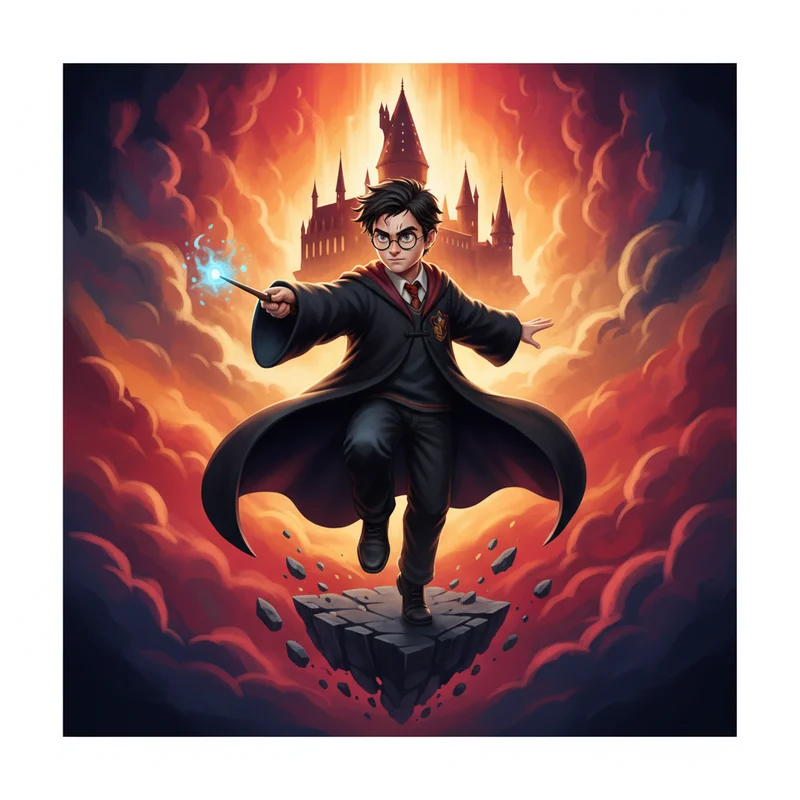
Harry Potter

Harry Potter

Boy wizard who lived and spawned a franchise.

Battle Analysis

Adaptability squirrel Wins
70%
30%
Squirrel Harry Potter

Squirrel

Squirrels demonstrate extraordinary environmental adaptability. From tropical rainforests to Siberian tundra, from ancient woodlands to Manhattan fire escapes, squirrels thrive wherever trees or reasonable tree-substitutes exist. Urban squirrels have learned to navigate traffic, exploit human food sources, and defeat 'squirrel-proof' bird feeders with engineering ingenuity that has spawned dedicated YouTube channels. Their dietary flexibility encompasses nuts, fungi, insects, bird eggs, and discarded pizza crusts with equal enthusiasm.

Harry Potter

Harry Potter's adaptability within his narrative proves remarkably limited. Thrust into the wizarding world, he requires constant explanation from Hermione. His combat repertoire relies heavily on Expelliarmus—a spell his enemies openly mock. When stripped of his wand, Harry becomes effectively helpless. His emotional adaptability shows similar constraints; years of childhood abuse are processed with minimal therapeutic intervention, suggesting either remarkable resilience or concerning suppression.

VERDICT

Squirrels thrive from Siberia to Central Park. Harry couldn't function without Hermione explaining things to him.
Legacy potential squirrel Wins
70%
30%
Squirrel Harry Potter

Squirrel

The squirrel's legacy extends 40 million years backward and, barring catastrophic extinction events, equally far forward. Their accidental reforestation contributes more to carbon sequestration than most human environmental initiatives. Genetically, squirrels continue to diversify, with new subspecies emerging through natural selection. Their legacy is written in forest ecosystems across four continents, a contribution to planetary health that requires no franchise extensions or intellectual property management.

Harry Potter

Harry Potter's legacy, whilst currently robust, faces the fundamental uncertainty afflicting all cultural products. The franchise's long-term viability depends on corporate stewardship, generational relevance, and the absence of catastrophic controversy. Already, author-related discourse has complicated the brand. In fifty years, Potter may retain Shakespearean cultural permanence or fade into nostalgic footnote. The squirrel requires no such maintenance—its legacy self-perpetuates through biological reproduction rather than corporate strategy.

VERDICT

The squirrel's legacy is inscribed in DNA and forest ecosystems. Harry's requires Warner Bros. to keep renewing streaming licences.
Survival instincts squirrel Wins
70%
30%
Squirrel Harry Potter

Squirrel

The squirrel represents 40 million years of refined survival engineering. Grey squirrels cache approximately 10,000 nuts annually, employing sophisticated deceptive behaviour to mislead potential thieves—including pretending to bury nuts while actually concealing them elsewhere. Their spatial memory rivals that of London taxi drivers. Escape mechanisms include vertical sprinting at 20 mph, mid-air directional changes, and the ability to survive falls from terminal velocity by using their tails as parachutes. Predator evasion success rates approach 90% in mature specimens.

Harry Potter

Harry Potter's survival record, whilst impressive within his narrative, reveals concerning dependencies. He survives infancy through his mother's sacrificial magic—a one-time protection he cannot replicate. Subsequent near-deaths require intervention from Dumbledore, Hermione, house-elves, phoenixes, and the Elder Wand's allegiance technicality. Without his supporting cast, Potter's survival probability approaches zero. The boy who lived did so largely because others died in his place or arrived at dramatically convenient moments.

VERDICT

Squirrels survive through 40 million years of evolved self-reliance. Harry survives through plot convenience and other people's sacrifices.
Resource management squirrel Wins
70%
30%
Squirrel Harry Potter

Squirrel

Squirrel resource management represents a masterclass in distributed redundancy. By scatter-hoarding across hundreds of locations, the squirrel ensures no single cache failure proves catastrophic. Remarkably, squirrels fail to retrieve approximately 74% of buried nuts, inadvertently planting an estimated 4 billion trees annually. This apparent inefficiency actually represents genius-level risk distribution. The squirrel essentially operates a vast investment portfolio, accepting losses on individual caches whilst guaranteeing overall caloric survival.

Harry Potter

Harry Potter demonstrates catastrophically poor resource management throughout his narrative. He inherits substantial wealth yet rarely deploys it strategically. The Marauder's Map—an invaluable intelligence asset—goes unused for extended periods. He fails to master Occlumency despite its obvious tactical necessity. Most egregiously, Harry spends considerable time in book seven wandering aimlessly through forests, suggesting his resource allocation skills would not survive peer review in any serious strategic assessment.

VERDICT

Squirrels operate diversified survival portfolios. Harry couldn't even pack adequate food for a camping trip that determined humanity's fate.
Global cultural impact harry_potter Wins
30%
70%
Squirrel Harry Potter

Squirrel

Squirrels have achieved ubiquitous cultural penetration without any marketing budget whatsoever. They feature in folklore from Native American traditions to Norse mythology, where Ratatoskr carries messages along Yggdrasil. Internet culture has elevated the squirrel to meme status, with 'easily distracted by squirrel' becoming shorthand for attention deficit. Urban planning now routinely accommodates squirrel populations. The species has successfully colonised human consciousness through sheer omnipresence and charisma.

Harry Potter

Harry Potter's cultural impact, whilst compressed into decades rather than millennia, demonstrates extraordinary depth. The franchise has generated $25 billion in revenue, created actual universities offering Potter-related courses, and introduced vocabulary ('Muggle', 'Horcrux') into common usage. Theme parks attract millions annually. However, this impact required unprecedented marketing expenditure and corporate infrastructure. Potter's cultural dominance is engineered; the squirrel's is earned through authenticity alone.

VERDICT

Harry Potter transformed publishing, cinema, and theme parks. Squirrels transformed nothing, but they didn't need a $25 billion marketing campaign either.
👑

The Winner Is

Squirrel

53 - 47

This analysis reveals an uncomfortable truth for devotees of the wizarding world: when measured against genuine evolutionary success, the boy who lived proves less impressive than the rodent that thrives. Harry Potter's accomplishments, whilst narratively satisfying, depend entirely upon external intervention, convenient prophecy, and an enemy whose strategic incompetence beggars belief. The squirrel, by contrast, has survived ice ages, continental drift, and the invention of the motor vehicle through nothing more than evolved capability and relentless adaptability. Harry required a castle full of magical protectors; the squirrel conquers urban environments armed only with spatial memory and a bushy tail. Where Potter's impact required billions in marketing spend, the squirrel achieved global cultural penetration through sheer charisma and omnipresence. One entity represents 40 million years of proven survival strategy; the other represents three decades of entertainment product.

Squirrel
53%
Harry Potter
47%

Share this battle

More Comparisons