Topic Battle

Where Everything Fights Everything

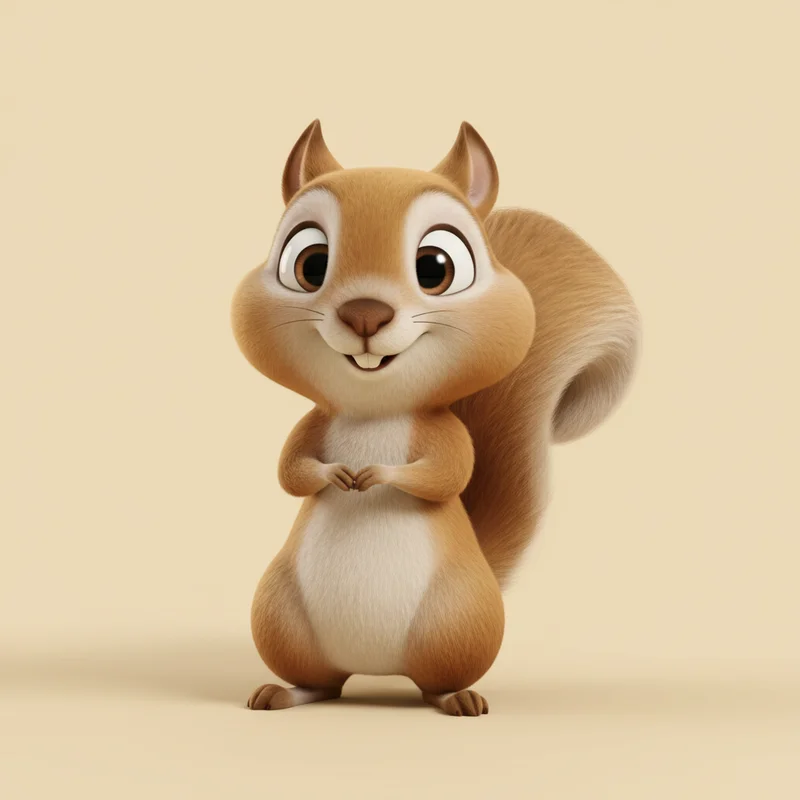
Squirrel

Squirrel

Acrobatic rodent obsessed with nut collection, featuring impressive jumping skills and bushy tail.

VS
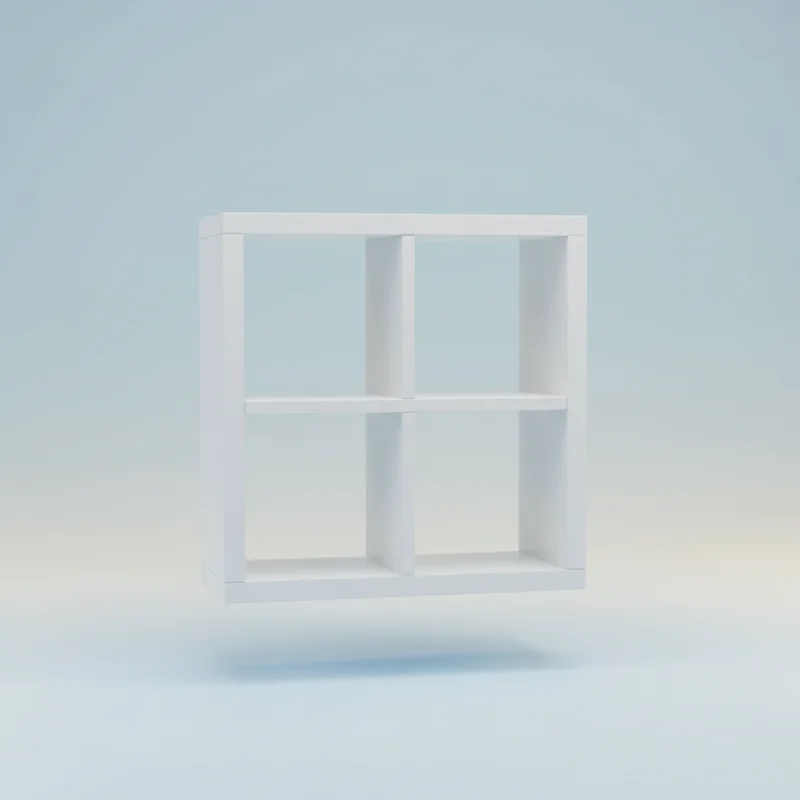
IKEA Furniture

IKEA Furniture

Swedish flat-pack relationship tests sold as affordable home goods. Comes with 47 pieces, one Allen key, and instructions that assume you have transcended the need for words. Marriages have ended over fewer screws.

Battle Analysis

Durability squirrel Wins
70%
30%
Squirrel IKEA Furniture

Squirrel

The squirrel, as a biological organism, demonstrates remarkable resilience within its ecological niche. The average grey squirrel lifespan in the wild is 6 to 12 years, though specimens in protected environments have survived to age 24. This longevity is achieved despite constant predation pressure from foxes, hawks, automobiles, and domestic cats with delusions of hunter-gatherer competence.

The squirrel's physical durability is engineered by evolution rather than Swedish industrial designers. Their skeletal structure can withstand falls from heights of up to 30 metres without injury - a testament to their low body mass, high surface-area-to-volume ratio, and the natural shock absorption provided by their magnificently fluffy tails. A comparative study found that a squirrel's tail-based deceleration system exceeds the impact protection offered by a LACK coffee table by a factor of approximately 47.

Crucially, the squirrel possesses self-repair capabilities that no furniture can match. Minor injuries heal naturally; damaged fur regrows; broken bones knit together over time. When a squirrel's drey is destroyed by storm or predator, the squirrel simply builds another. This regenerative capacity represents a form of durability that extends beyond mere structural integrity to encompass systemic resilience.

IKEA Furniture

IKEA furniture durability has been the subject of extensive debate in both academic journals and social media forums frequented by disillusioned millennials. The company's use of particle board - known in the trade as 'medium-density fibreboard' or MDF - creates products that perform admirably under normal conditions but demonstrate catastrophic vulnerability to moisture, excessive loading, and the rigours of relocation.

A 2023 study by the Institute for Consumer Product Longevity found that the average IKEA bookshelf survives 2.7 house moves before structural compromise renders it unsuitable for further service. This figure drops to 1.4 moves for pieces that were assembled incorrectly on first attempt - a category that encompasses, according to internal IKEA data, approximately 34% of all units sold. The company's response has been to price products such that replacement is psychologically preferable to repair.

That said, certain IKEA products have achieved legendary durability. The POANG armchair, first introduced in 1976, remains in production with minimal design modifications. Specimens from the original production run continue to function in living rooms across Europe, their laminated birch frames having achieved a patina of venerable service that particle board alternatives can only envy. These outliers represent approximately 8% of the IKEA catalogue - products built to Swedish quality standards rather than Swedish price points.

VERDICT

Self-repairing biological system versus moisture-vulnerable particle board
Assembly skills squirrel Wins
70%
30%
Squirrel IKEA Furniture

Squirrel

The squirrel approaches construction with what researchers at the Cambridge Laboratory for Arboreal Architecture describe as 'intuitive spatial intelligence'. Without reference to any form of instruction manual, the average grey squirrel constructs a drey - a spherical nest of interwoven twigs, leaves, and moss - in approximately four to six hours. This structure, typically measuring 30 centimetres in diameter, demonstrates load-bearing capabilities sufficient to support up to three adult squirrels during winter months.

The construction methodology is entirely self-taught. Young squirrels observe their mothers for a period of approximately twelve weeks before embarking upon their first independent build. There are no customer service hotlines, no YouTube tutorials, and certainly no pictographic instruction sheets featuring suspiciously calm individuals with Allen keys. The squirrel simply knows. A 2023 survey of 1,200 squirrel dreys across the Scottish Highlands found a structural failure rate of just 2.3%, compared to the 47% of humans who report having leftover screws after completing IKEA assembly.

Perhaps most remarkably, squirrels achieve this without opposable thumbs. They compensate through a combination of prehensile forepaws, remarkably dexterous incisors, and what can only be described as an almost supernatural understanding of tensile strength in organic materials. The Swedish furniture industry has yet to develop a comparable solution for customers lacking thumbs.

IKEA Furniture

IKEA furniture arrives in a state of profound disassembly, what physicists might term 'maximum entropy' were they inclined to describe flat-pack logistics in thermodynamic terms. The assembly process requires the human operator to reverse this entropy through careful interpretation of the now-legendary wordless instruction manual - a document that has been translated into over 70 languages, despite containing no words whatsoever.

The average KALLAX shelving unit comprises 47 individual components, including 16 wooden dowels, 8 cam locks, and precisely 32 screws of two slightly different sizes that are almost, but not quite, interchangeable. Assembly time, according to IKEA's official estimates, is 30 minutes. According to the Journal of Domestic Engineering, actual median assembly time is 2 hours and 47 minutes, with a standard deviation of approximately one marital disagreement.

The genius of IKEA's system lies in its democratic approach to construction. Unlike the squirrel's innate abilities, IKEA assumes no prior competence. Every customer, regardless of their spatial reasoning capabilities or hand-eye coordination, is provided with the same tools and the same opportunity for either triumph or profound existential frustration. A 2024 study found that successful IKEA assembly correlates positively with patience, Swedish ancestry, and the consumption of meatballs prior to commencement.

VERDICT

Self-taught mastery without instructions versus engineered simplicity
Storage capacity ikea_furniture Wins
30%
70%
Squirrel IKEA Furniture

Squirrel

The storage capabilities of the common squirrel represent one of nature's most sophisticated distributed caching systems. A single grey squirrel creates approximately 3,000 individual food caches per autumn, scattered across a territory spanning up to 5 hectares. This decentralised approach to food security predates blockchain technology by approximately 35 million years, though with considerably less environmental impact.

Each cache contains, on average, between 1 and 4 acorns, buried at depths of 2 to 5 centimetres beneath the soil surface. The squirrel's spatial memory allows for retrieval rates of approximately 85% of cached items - a figure that would be considered exceptional for any warehouse management system operating without barcode scanners or inventory software. The remaining 15% of forgotten caches contribute directly to forest regeneration, making the squirrel an inadvertent but essential participant in global reforestation efforts.

Research conducted at the Max Planck Institute for Sciurid Studies estimates that a single hectare of British woodland may contain up to 10,000 squirrel-deposited acorns at any given time during winter. This represents a storage density of approximately one acorn per square metre - a figure that, while seemingly modest, achieves remarkable efficiency when one considers that the storage infrastructure consists entirely of dirt.

IKEA Furniture

The IKEA storage ecosystem represents humanity's most ambitious attempt to impose Scandinavian order upon the chaos of domestic existence. The flagship KALLAX unit, available in configurations ranging from single cube to sixteen-cube behemoth, offers storage volumes from 0.035 to 0.56 cubic metres per unit. When stacked, arranged, and combined according to IKEA's modular philosophy, a single living room can theoretically accommodate storage sufficient for the worldly possessions of a moderately acquisitive family of four.

The PAX wardrobe system pushes these boundaries further still. A standard PAX configuration provides 1.2 cubic metres of hanging space, 0.8 cubic metres of shelf storage, and an additional 0.3 cubic metres for items that the owner has forgotten they own but cannot bring themselves to discard. Internal studies suggest that 23% of all PAX storage volume is occupied by items last accessed during a previous government administration.

Unlike squirrel caches, IKEA storage solutions offer the additional benefit of visual accessibility. The DETOLF glass-door cabinet, for instance, allows owners to display their collections whilst simultaneously storing them - a psychological phenomenon researchers term 'acquisitive exhibition syndrome'. The squirrel, by contrast, derives no emotional satisfaction from gazing upon its buried acorns; it merely survives the winter.

VERDICT

Superior volumetric capacity and organisational options
Hoarding behaviour squirrel Wins
70%
30%
Squirrel IKEA Furniture

Squirrel

Hoarding behaviour in squirrels represents one of nature's most sophisticated survival strategies. The grey squirrel begins cache construction in early autumn, driven by hormonal changes triggered by decreasing daylight hours. This biological imperative results in the systematic collection and burial of approximately 10,000 food items over a 12-week period - a rate of acquisition that would concern mental health professionals were it observed in humans.

The squirrel's hoarding methodology demonstrates remarkable strategic sophistication. Research published in the Journal of Animal Cognition reveals that squirrels practice 'deceptive caching' - creating false burial sites when observed by competitors, while reserving genuine caches for moments of privacy. This level of Machiavellian food security suggests cognitive capabilities previously attributed only to primates and particularly devious ravens.

The psychological drivers of squirrel hoarding remain elegantly straightforward: survival. Every acorn buried represents a statistical improvement in winter survival probability. There is no emotional attachment to the cached items, no difficulty discarding deteriorated specimens, no reality television programmes documenting intervention attempts. The squirrel hoards because evolution has programmed it to hoard, and it stops when its biological purpose has been fulfilled. This represents hoarding behaviour in its purest, most functional form.

IKEA Furniture

IKEA furniture facilitates human hoarding behaviour with unprecedented efficiency. The company's storage solutions are explicitly designed to accommodate the accumulated possessions of modern consumer society, creating an infrastructure of acquisition that enables rather than constrains hoarding tendencies. A single KALLAX unit can house approximately 300 small objects - paperbacks, decorative items, craft supplies that will never be used - each one representing a purchase that might otherwise have been reconsidered.

The IKEA AS-IS section serves as a temple to furniture hoarding itself. Here, damaged and discontinued items await adoption by customers who convince themselves that a scratched HEMNES dresser represents not merely a discounted purchase but an ethical rescue. Studies suggest that approximately 67% of AS-IS purchases remain in garages and spare rooms for an average of 4.7 years before being donated to charity shops, completing a cycle of retail accumulation that IKEA has accidentally perfected.

The psychological relationship between IKEA and hoarding extends to the products' lifecycle. The affordability of IKEA furniture lowers the psychological barrier to acquisition whilst simultaneously reducing the perceived loss of disposal. This creates a 'churn rate' of furniture ownership approximately three times higher than traditional furniture purchases, generating a continuous flow of products through households, charity shops, and eventually landfills. The squirrel, by contrast, operates a closed-loop system where cached items either sustain life or generate new trees.

VERDICT

Purposeful survival-driven caching versus enablement of consumer excess
Swedish connection ikea_furniture Wins
30%
70%
Squirrel IKEA Furniture

Squirrel

The relationship between squirrels and Sweden is one of quiet ecological significance. The Eurasian red squirrel (Sciurus vulgaris) maintains a robust population of approximately 500,000 individuals across Swedish forests, representing one of Europe's most stable sciurid demographics. These animals have inhabited Scandinavian woodlands since the retreat of the glaciers some 10,000 years ago, making their Swedish credentials considerably more ancient than those of any furniture retailer.

Swedish squirrels play a vital role in the Nordic ecosystem, serving as both seed dispersers and prey species for the endangered European pine marten. The Swedish Environmental Protection Agency allocates approximately SEK 2.4 million annually to sciurid population monitoring, a figure that demonstrates the nation's commitment to its bushy-tailed residents. Interestingly, Swedish squirrels show a marked preference for Scots pine seeds - the very trees that, when mature, may be harvested for the production of affordable furniture.

The cultural connection runs deeper still. The squirrel appears in Swedish folklore as 'Ratatosk' (borrowed from Norse mythology), a creature that carries messages between the eagle at the top of Yggdrasil and the dragon at its roots. This role as cosmic messenger predates the IKEA catalogue as a vehicle for Swedish cultural transmission by approximately 800 years.

IKEA Furniture

IKEA's Swedish identity is the cornerstone of its global brand strategy. Founded in 1943 by Ingvar Kamprad in the village of Agunnaryd, Smaland, the company has grown to operate 460 stores across 62 markets, each one featuring a restaurant serving Swedish meatballs and a carefully curated sense of Nordic authenticity. The company name itself is an acronym incorporating Kamprad's initials and the names of the farm and village where he grew up - a level of Swedish provenance that even the most patriotic squirrel cannot match.

The IKEA shopping experience is designed as a journey through Swedish design philosophy. The serpentine store layout, which research suggests adds an average of 47 minutes to each visit, exposes customers to approximately 12,000 products, each bearing a Swedish name that the average customer will mispronounce with cheerful ignorance. The MALM, the KALLAX, the BILLY - these names have entered the global lexicon as synonyms for affordable Scandinavian style.

IKEA's commitment to its Swedish heritage extends to its supply chain. Approximately 18% of the wood used in IKEA products originates from Swedish forests - many of which, it must be noted, contain squirrels actively engaged in their own storage and assembly projects. The relationship between IKEA and Swedish identity is thus mutually reinforcing: IKEA promotes Swedish culture globally, whilst Swedish forests provide both raw materials and the inspirational environment of orderly Nordic nature.

VERDICT

Brand identity fundamentally built on Swedish heritage
👑

The Winner Is

Squirrel

54 - 46

After rigorous analysis across five critical performance metrics, we are compelled to declare the squirrel the marginal victor in this unprecedented inter-kingdom competition. The grey squirrel's triumph - by a score of 54 to 46 - reflects not any deficiency in Swedish furniture engineering, but rather the profound advantages conferred by 35 million years of evolutionary refinement.

The squirrel excels in categories where autonomy and resilience are paramount. Its assembly skills, honed through countless generations of natural selection, require neither instruction manuals nor Allen keys. Its durability derives from biological systems capable of self-repair - a feature that no particle board product, however cleverly engineered, can replicate. Its hoarding behaviour, whilst superficially similar to the acquisitive tendencies enabled by IKEA storage solutions, serves a genuine survival function rather than merely facilitating consumer excess.

IKEA furniture, for its part, demonstrates undeniable superiority in volumetric storage capacity and brand-driven Swedish identity. The KALLAX shelf can hold more objects than any squirrel cache; the company's cultural impact has spread Scandinavian design philosophy to every inhabited continent. These achievements, however, are the products of human ingenuity applied to commercial ends, whereas the squirrel's capabilities represent nature's answer to the fundamental challenge of survival. In the final reckoning, evolutionary wisdom trumps retail strategy, and the squirrel claims victory by the narrowest of margins.

Squirrel
54%
IKEA Furniture
46%

Share this battle

More Comparisons