
WiFi
WiFi operates at what can only be described as theoretical velocity. The latest WiFi 6E standard promises speeds up to 9.6 Gbps, a figure so impressive it exists primarily in laboratory conditions and marketing materials. In practice, the average home WiFi connection delivers approximately 50-100 Mbps, which is still fast enough to stream four simultaneous episodes of programmes nobody in the household admits to watching.
The speed of WiFi is perhaps best understood through its relationship with walls. A single wall reduces signal strength by approximately 25%. Two walls, and your gigabit connection has become a polite suggestion. Three walls, and you might as well be communicating via carrier pigeon. The technology travels at the speed of light, then immediately crashes into your neighbour's concrete renovation project.
WiFi's speed also depends heavily on how many devices are connected. The router in a modern home serves not just computers and phones, but thermostats, refrigerators, doorbells, and light bulbs - all of which apparently require constant internet access to perform functions they managed perfectly well without for decades.
Electric Scooter
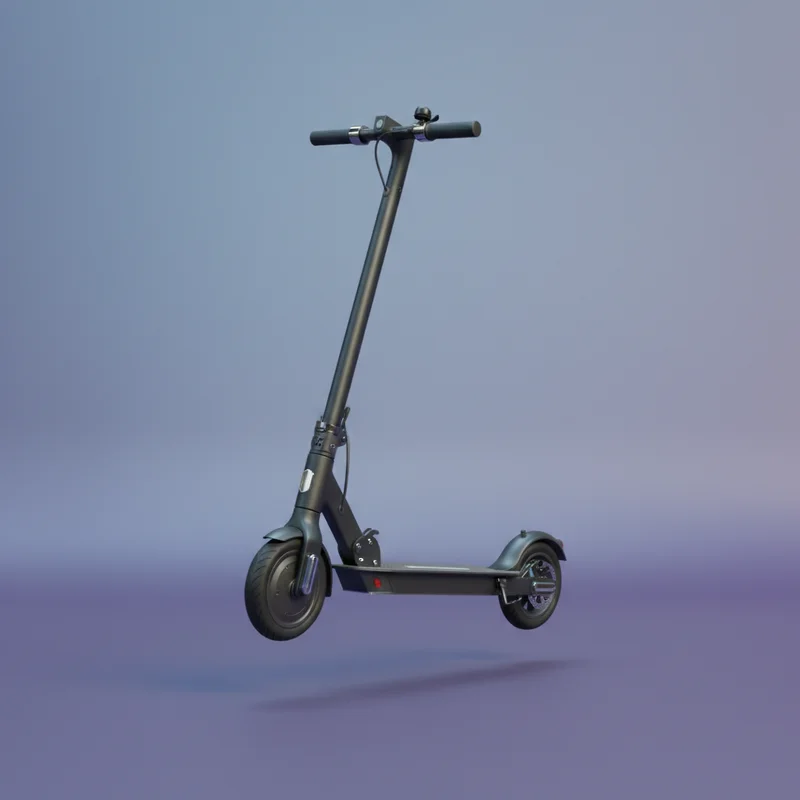
The electric scooter offers a more honest form of speed. Most rental scooters are capped at 25 km/h, a velocity chosen specifically to exist in the uncomfortable zone between "too fast for pavements" and "too slow for roads." Private scooters can reach 40-65 km/h, though achieving these speeds typically requires the rider to adopt an aerodynamic crouch that looks undignified in business casual attire.
Unlike WiFi, the scooter's speed is consistent and predictable - until the battery begins its inevitable decline. A fully charged electric scooter will maintain its promised velocity for approximately fifteen to thirty kilometres, after which it enters a phase best described as assisted walking. The transition is rarely gradual. One moment you are travelling at speed; the next, you are pushing a surprisingly heavy aluminium frame uphill.
The scooter's speed is also affected by the rider's weight, the incline of the terrain, and the ambient temperature. Cold weather can reduce battery efficiency by up to 40%, meaning winter scooter riders must choose between arriving on time and arriving warm. This is not a choice that WiFi users are required to make.